


Paris
—
The world of high fashion is increasingly accessible. Anyone with a phone and the internet can get a front row view of fashion week, connect with their favorite designers and immerse themselves in the virtual worlds of luxury brands. But, while people may be looking, liking and following fashion more than ever, this isn’t necessarily translating to sales.
Leaders across the industry are fighting to combat a global luxury slowdown and searching for new ways to maintain relevancy, reinvigorate their relationships with shoppers, while improving their bottom line. This pinch was particularly felt at the Spring-Summer 2026 shows in Paris, many of which had fewer seats for guests and less elaborate set designs than usual, despite there being an unprecedented number of designer debuts.
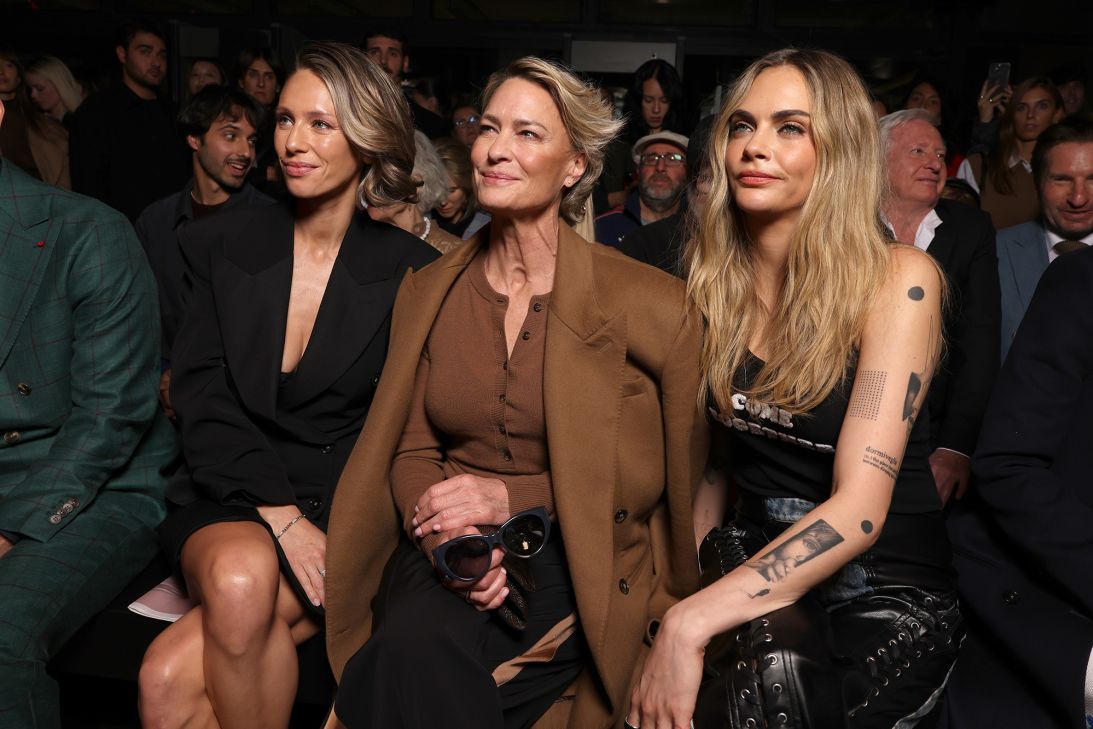
An overwhelming 111 fashion brands featured on the nine-day schedule during Paris Fashion Week, which concluded on Tuesday. Front rows were packed with A-list celebrities and influencers, and show content flooded social media, but it was difficult to envisage how each brand could cut through the noise and reach people navigating rising costs of living and other uncertainties in a fast-changing world.
But some houses did. Throughout the week, the designers that left a lasting impression created moments that sparked meaningful conversation and demonstrated how fashion’s influence could extend beyond the runway and shape what regular people wear on the streets.
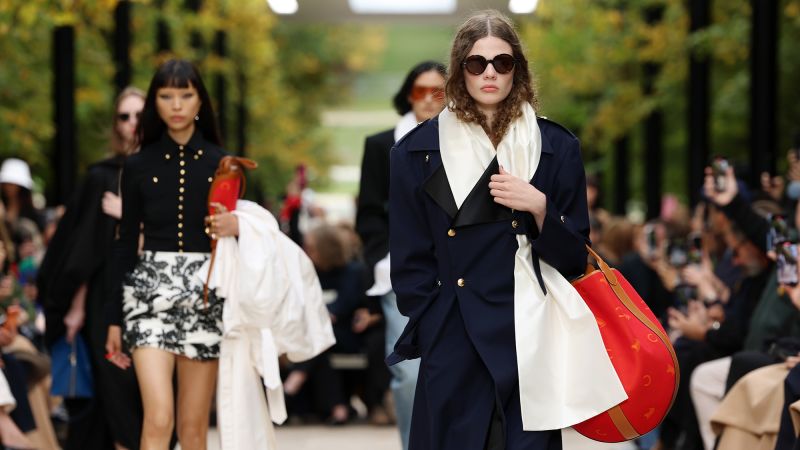
The idea of clothes — especially expensive clothes — looking good on the wearer shouldn’t be a novel idea, yet recent years have seen some designers become fixated with expressing artistic creativity or generating shock value, rather than designing for wider appeal. That wasn’t the case at Spanish house Loewe, where co-creative directors Jack McCollough and Lazaro Hernandez presented their first collection of joyful, highly wearable pieces. Pierpaolo Piccioli’s debut for Balenciaga saw him masterfully steer the luxury house away from the oversized streetwear it had become known for in recent years and back to its elegant roots.
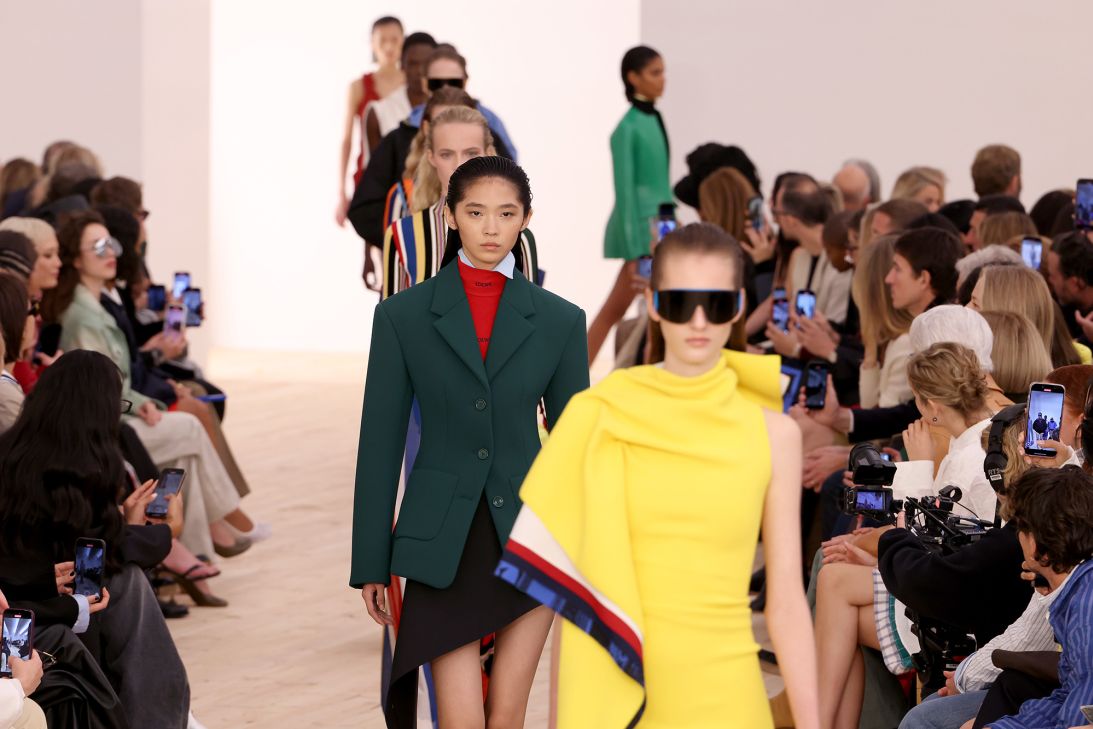
The same could also be said for Michael Rider at Celine, who presented his second collection for the French brand to guests including actors Uma Thurman and Natasha Lyonne, and the South Korean singer Kim Tae-Hyung, known professionally as V. There were flattering party dresses, mannish trousers and long coats, as well as Celine-branded sweaters and accessories featuring its “Triomphe” monogram. Much like Rider’s debut during the men’s shows in July, the womenswear styles felt preppy and classic, and reflected his experience as an American (who formerly designed for Polo Ralph Lauren) in Paris. Several models walked with their jackets and bags tucked under their arms, creating a relatable image of a person on the go.
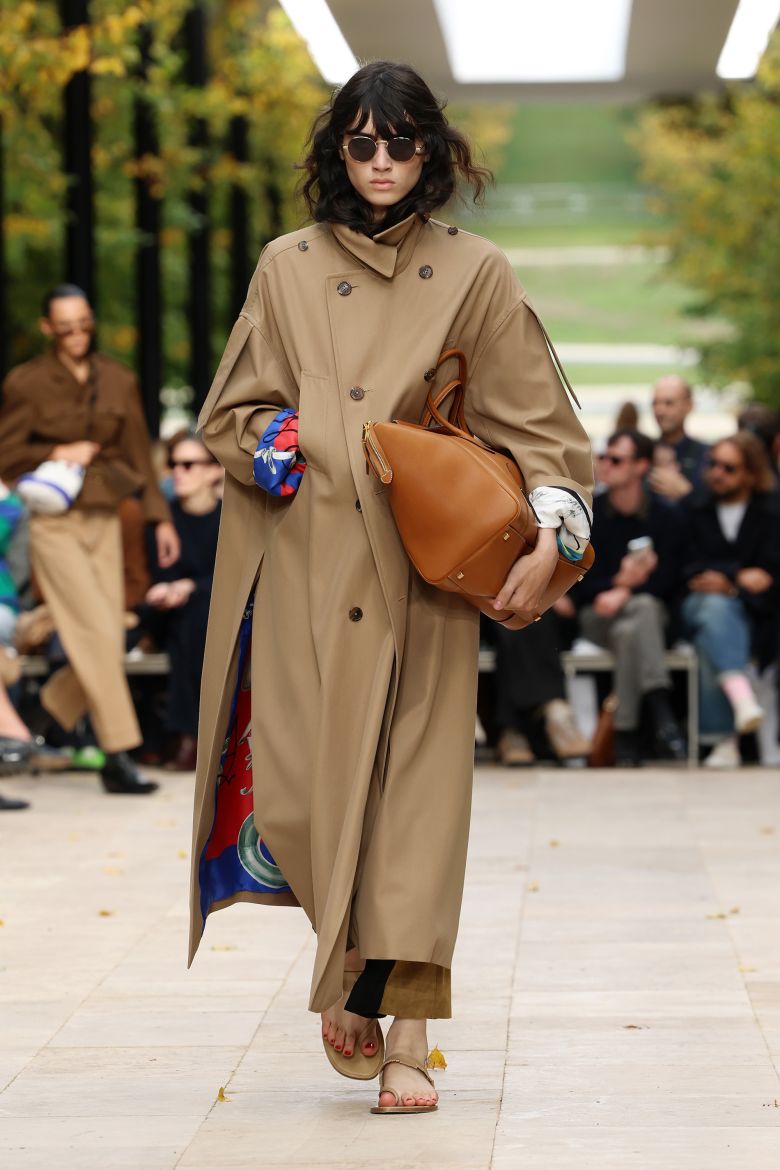
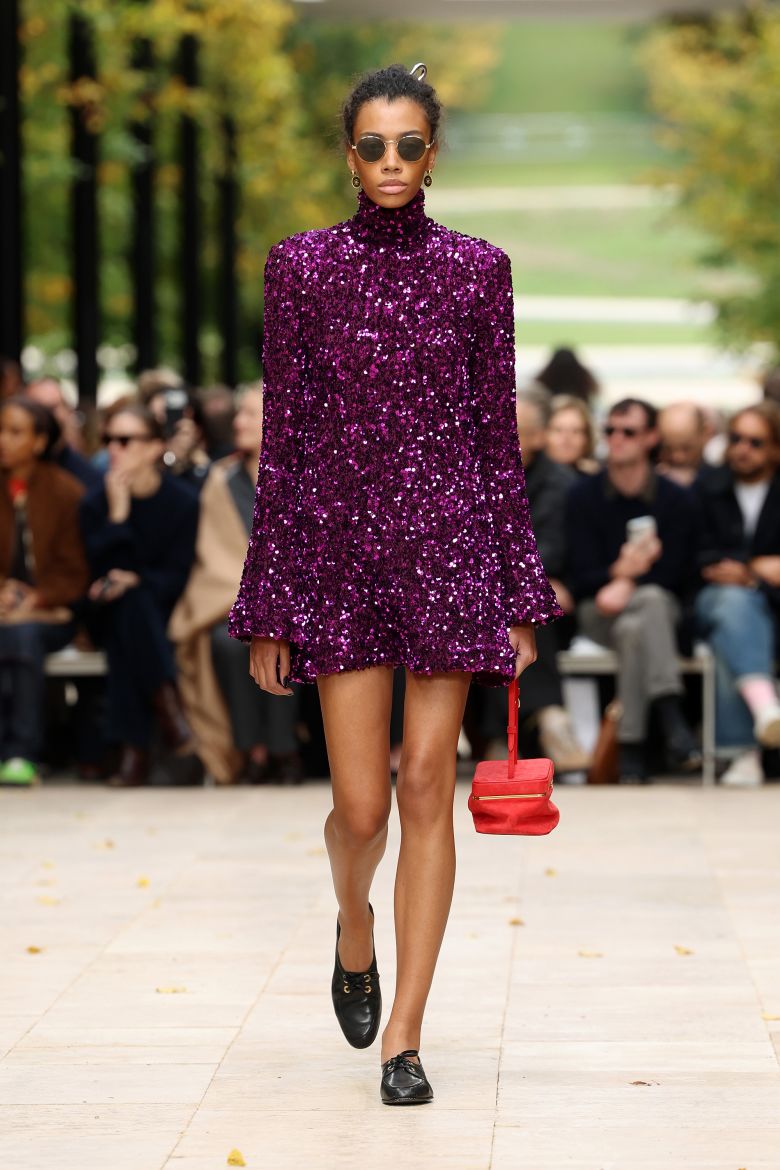
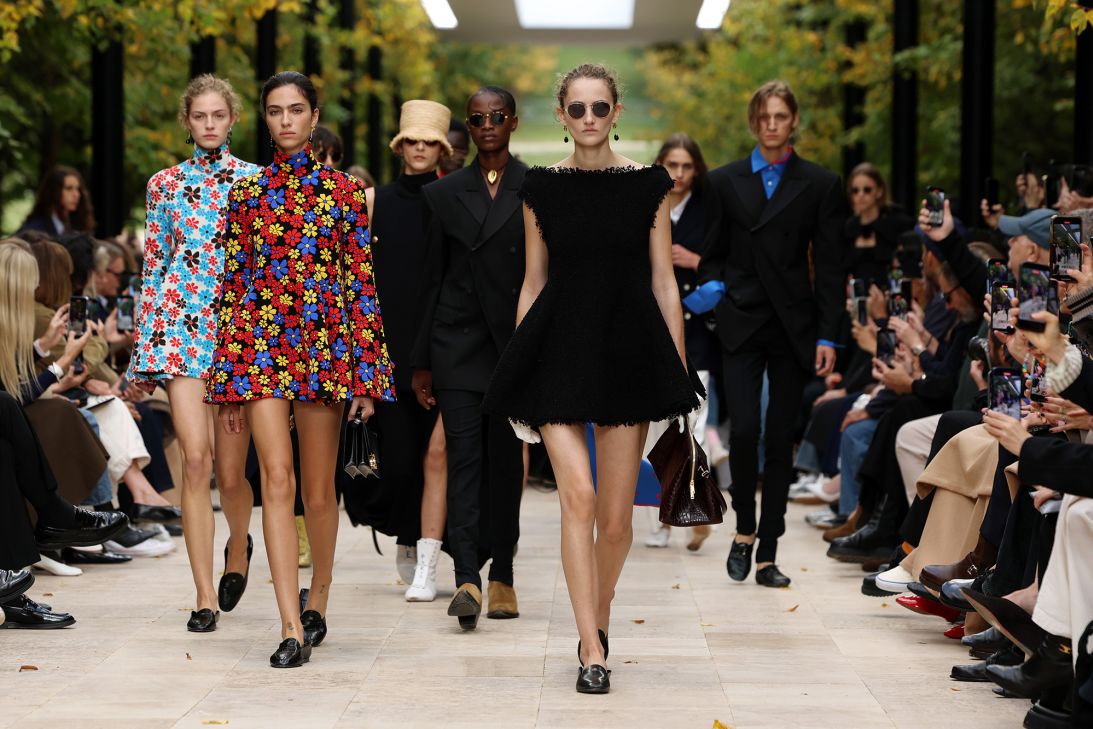
Backstage, Rider shared that he worked on both the men’s and women’s collections at the same time, hence the feeling of “continuity,” and his desire for timelessness and consistency. “We’ll never be a brand that jumps from concept to concept,” he said. “You may not be the person in the strangest thing that you might throw away, but you’ll have the best coat, and you have the attitude to wear it.” Rider said he placed emphasis on making “something that lasts.” He added: “There’s a discretion at Celine that I really appreciate, and I think there’s a tension between that and being at Paris Fashion Week, which isn’t very discreet anymore.”
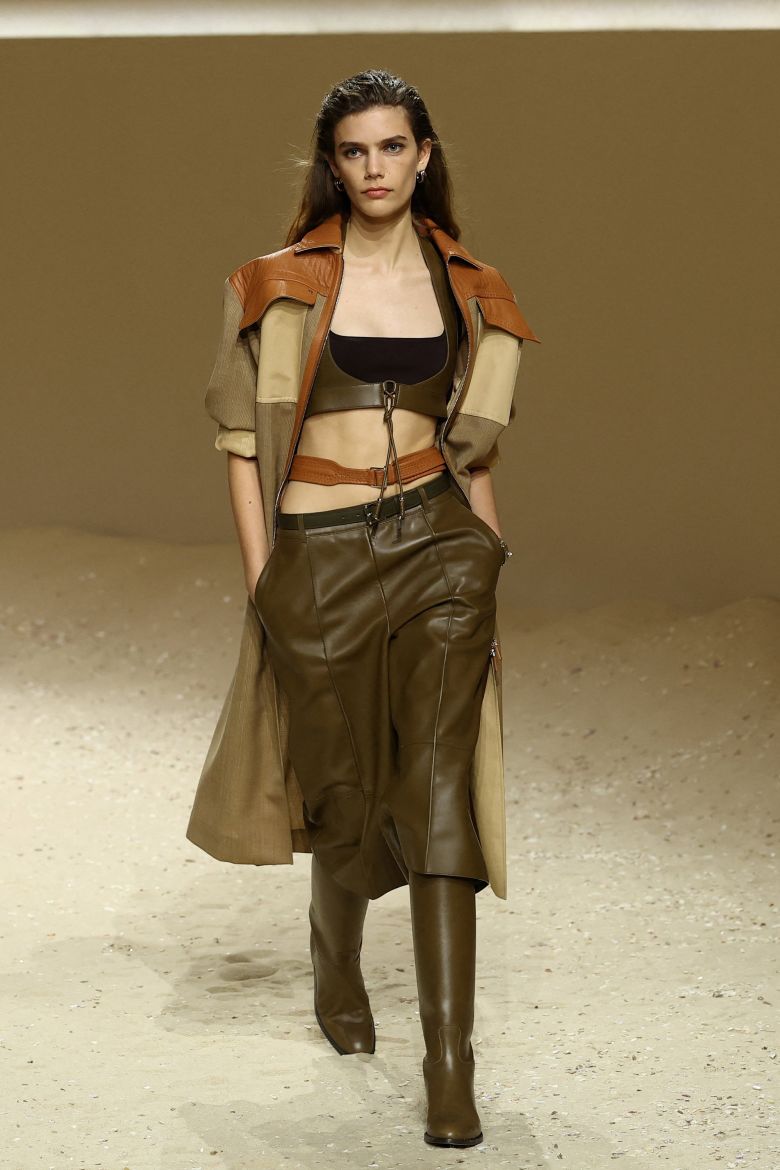
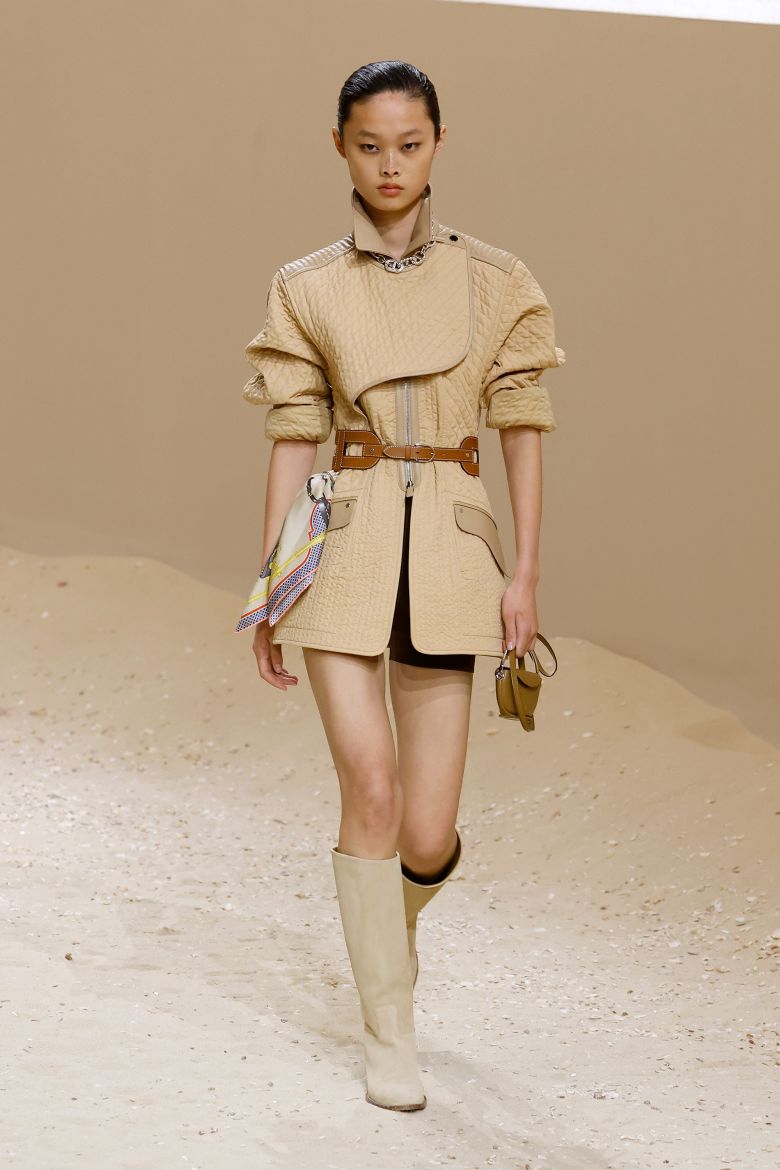
Equally unobtrusive is Nadège Vanhee-Cybulski’s vision for Hermès, and this year marks over a decade in her tenure as the French brand’s creative director. Hermès is a brand with much lore around its leather goods, primarily handbags, which represent its core business and fuel its prestige. Some of those featured on the sandy catwalk created for the Spring-Summer 2026 show, alongside caramel-hued garments in tactile textures like suede and quilt. The designs leaned young — the opening look was a leather bra top with chain detailing that hung down the front, paired with Bermuda shorts, an open coat and knee-high boots — but, overall, the quiet confidence of Vanhee-Cybulski’s shows offers a reminder that there is strength in restraint.
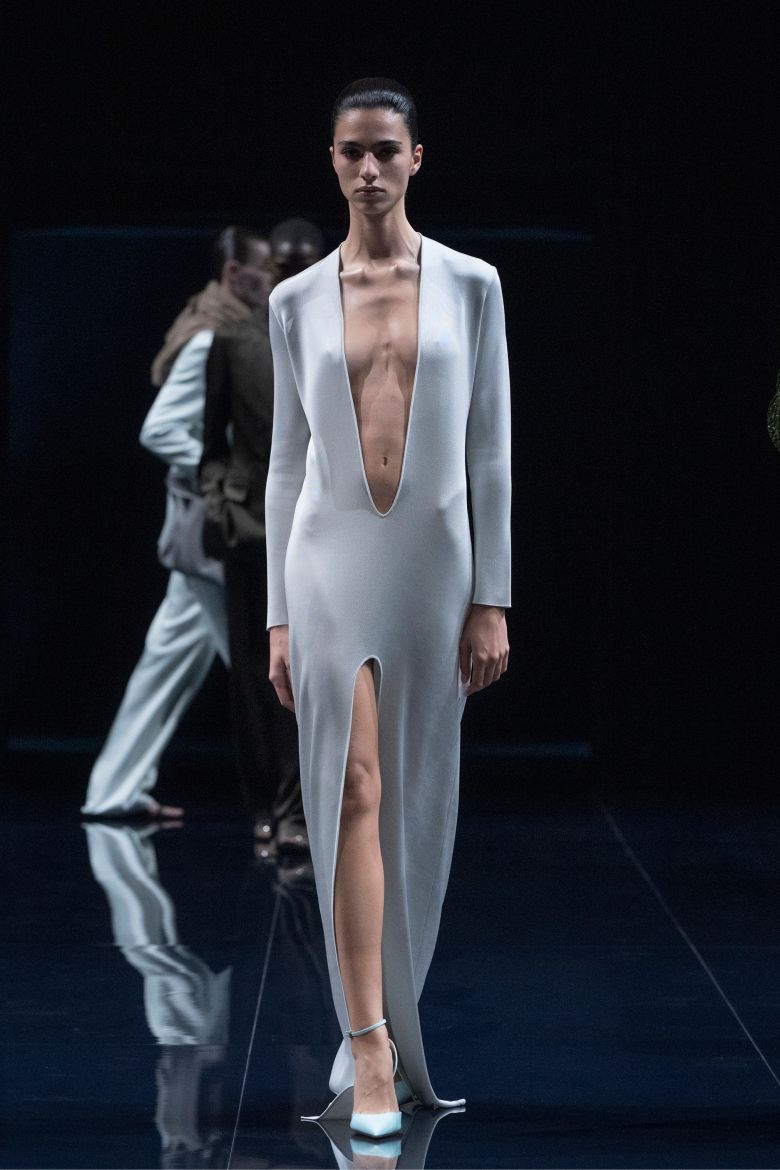
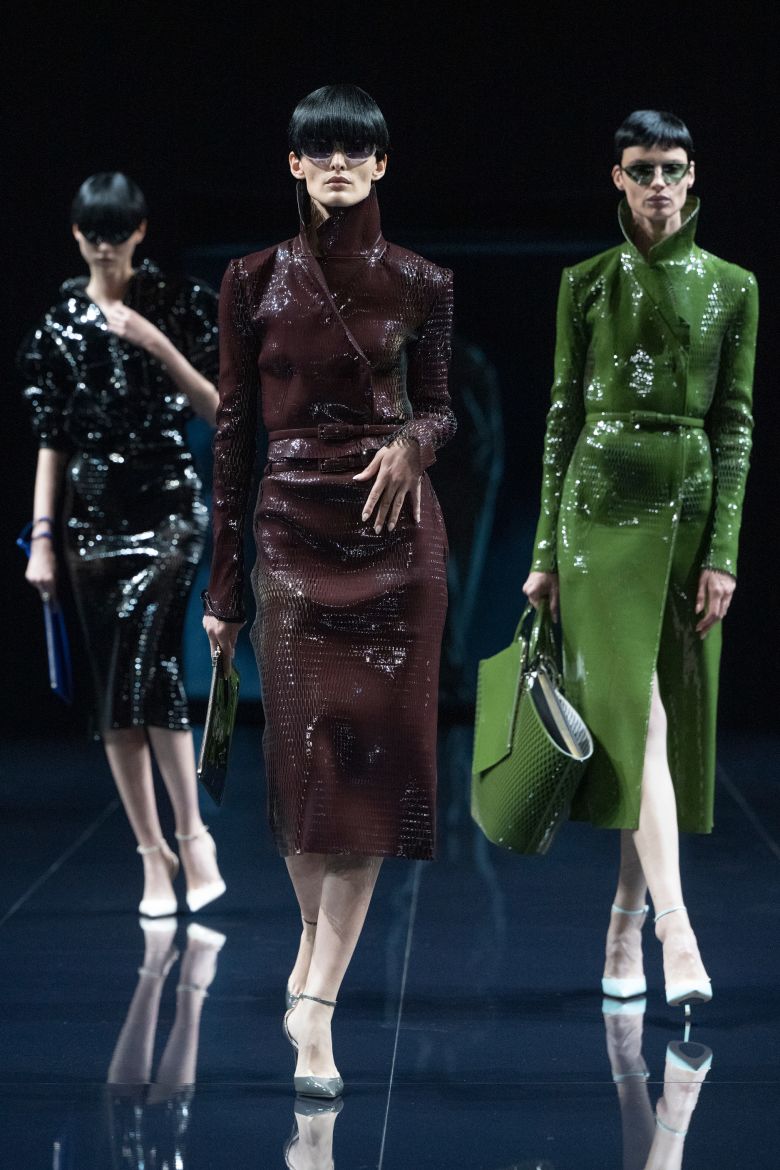
There were nudity and overt expressions of sex across the runways this season, reflecting the skin-baring age we are living through — see pop stars performing in lingerie and the ever-present “nude dress.” So when Tom Ford designer Haider Ackermann presented just enough sex to leave onlookers wanting more, we leaned in. His interpretation of sexy was subtle — it was about a mood, not an exposed body part. Models walking his sultry runway seduced the audience in beautiful suiting, a dress with a plunging neckline that mirrored an equally high slit. There was lace and leather, of course, and a series of skirt suits and trenchcoats — perhaps with nothing underneath? — finished to give a lacquered, glistening effect.
Fashion’s recent obsession with nostalgia, be that the 70s, 90s or Y2K style codes, is well documented and perhaps indicative of an industry weathering an identity crisis. While some of the standout collections this season did look to the past, the aim for many was to reinvent, not recreate.
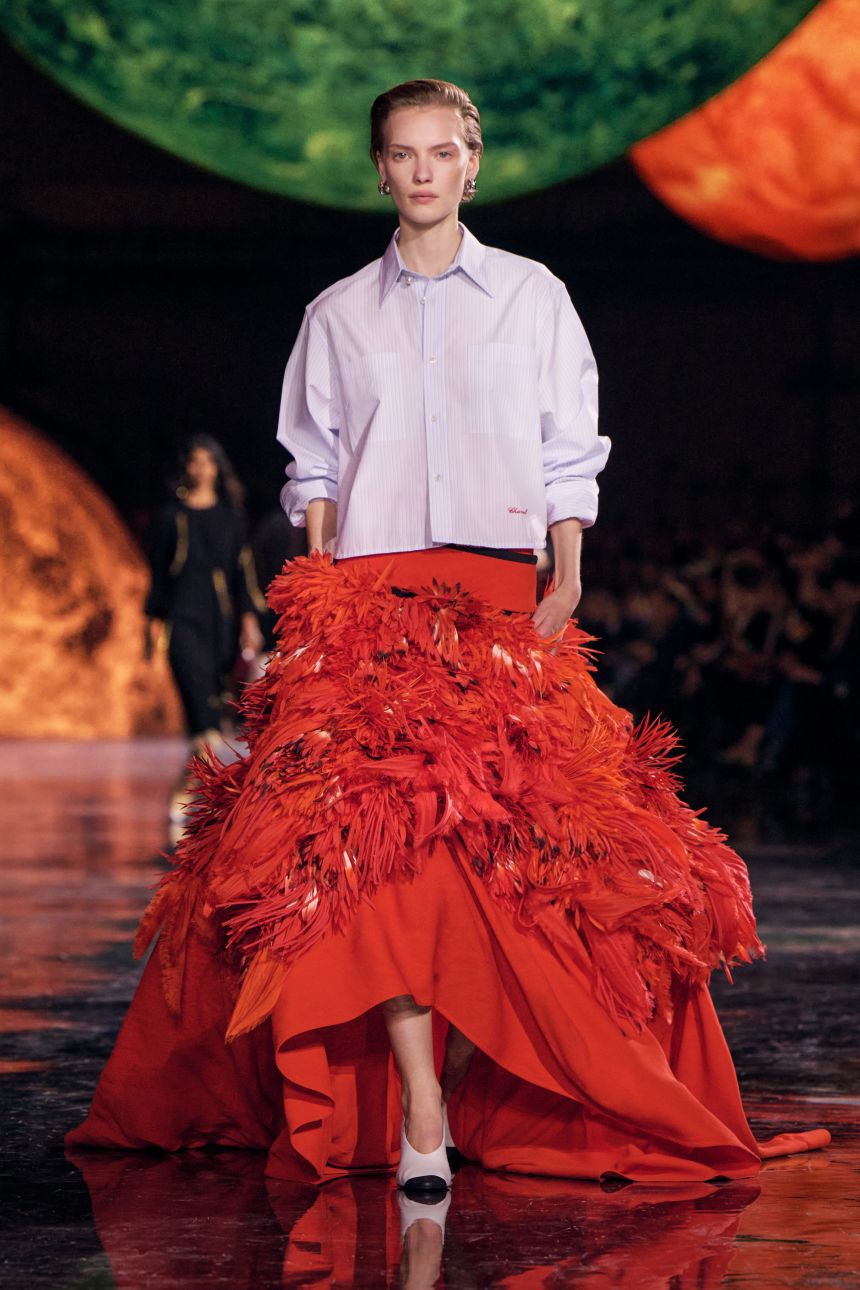
For his Chanel debut, Matthieu Blazy threw open the windows and breathed fresh air into his new creative home — honoring elements of the 115-year-old brand’s past in a way that felt genuinely new. It wasn’t a history lesson but rather an exercise in experimentation through materials, silhouettes and styling. Tweed skirt suits, once the uniform of maturing high society ladies, were lighter in weight and softer in shape — the skirts, many with pockets — slung low on the hip. Dramatic ball skirts blooming with color and texture were styled with simple silk Ts and cotton shirts. In a fun twist, Blazy added moldable wire to the classic 2.55 bag so that it could be scrunched up and shaped by the owner.
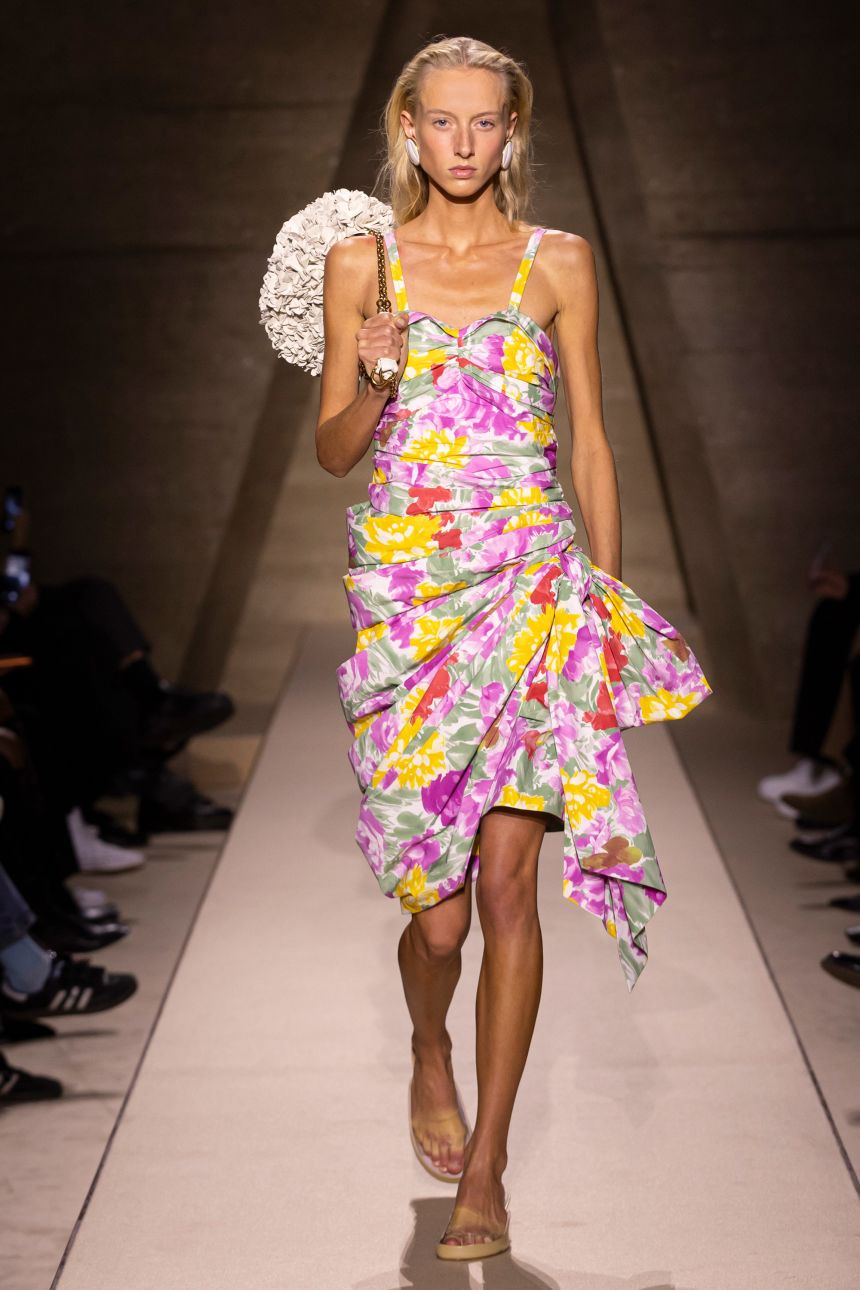
Chloé’s Chemena Kamali surprised those watching her show with a series of brightly colored floral dresses at the top of her collection — a departure from the muted, neutral tones often associated with the brand. This season she said she wondered what Chloé couture might look like. The answer was an easy-going reinterpretation of classic couture techniques — including draping and pleating — but done with simple cotton fabrics to create casual dresses you might wear to a pool party rather than a formal gala.
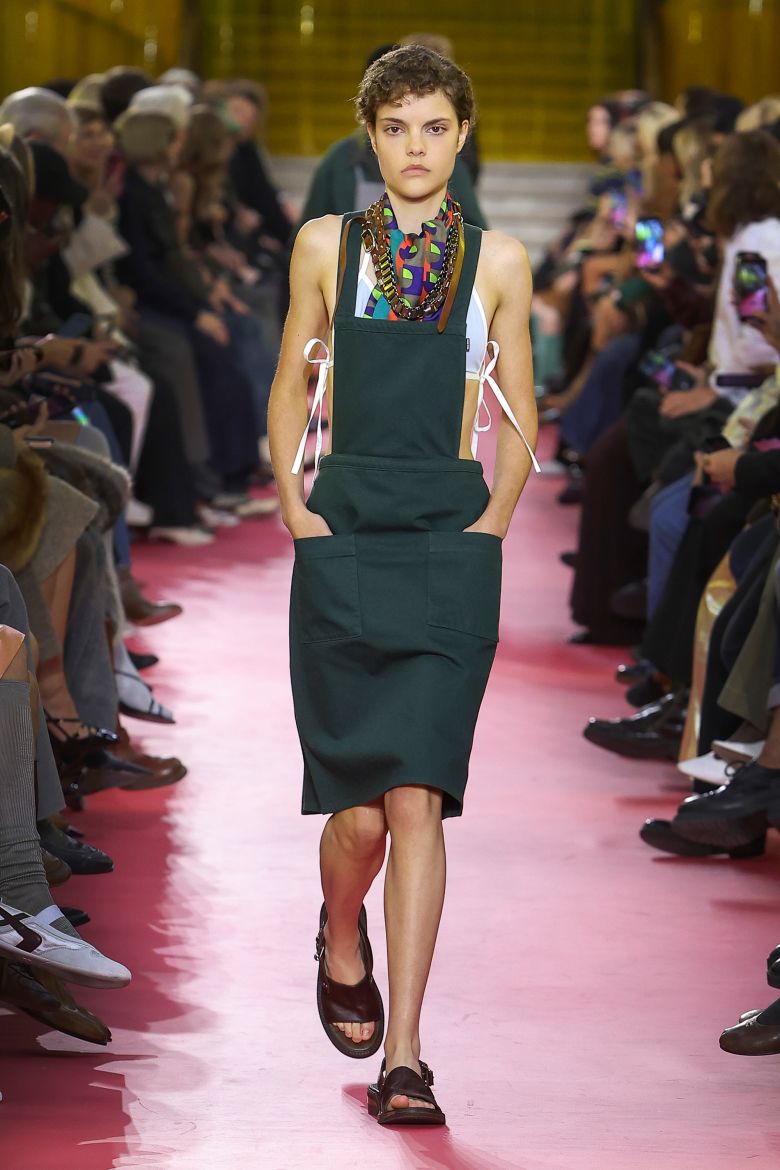
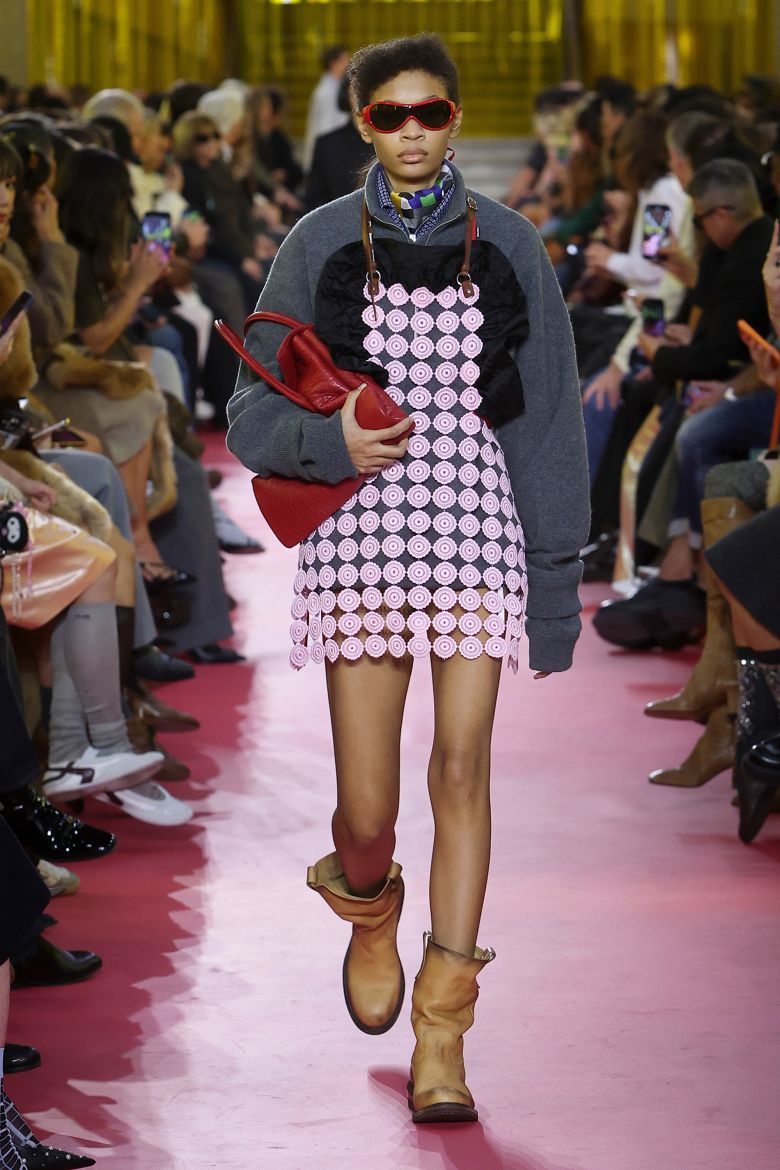
Is Miuccia Prada aware of the tradwives of TikTok? Who knows, but this season at Miu Miu she took a stab at repositioning one of the greatest symbols of women’s work: the apron — shifting it away from the social-media-generated, 1950s perfect homemaker aesthetic by styling it over triangle bikinis and heavy jumpers and jackets. According to show notes, she wanted to afford the humble garment a “nobility and respect,” hinting at this being a conversation about class, too, though an expensive fashion apron likely out of reach for anyone who wears one to work is hardly going to disrupt the system.
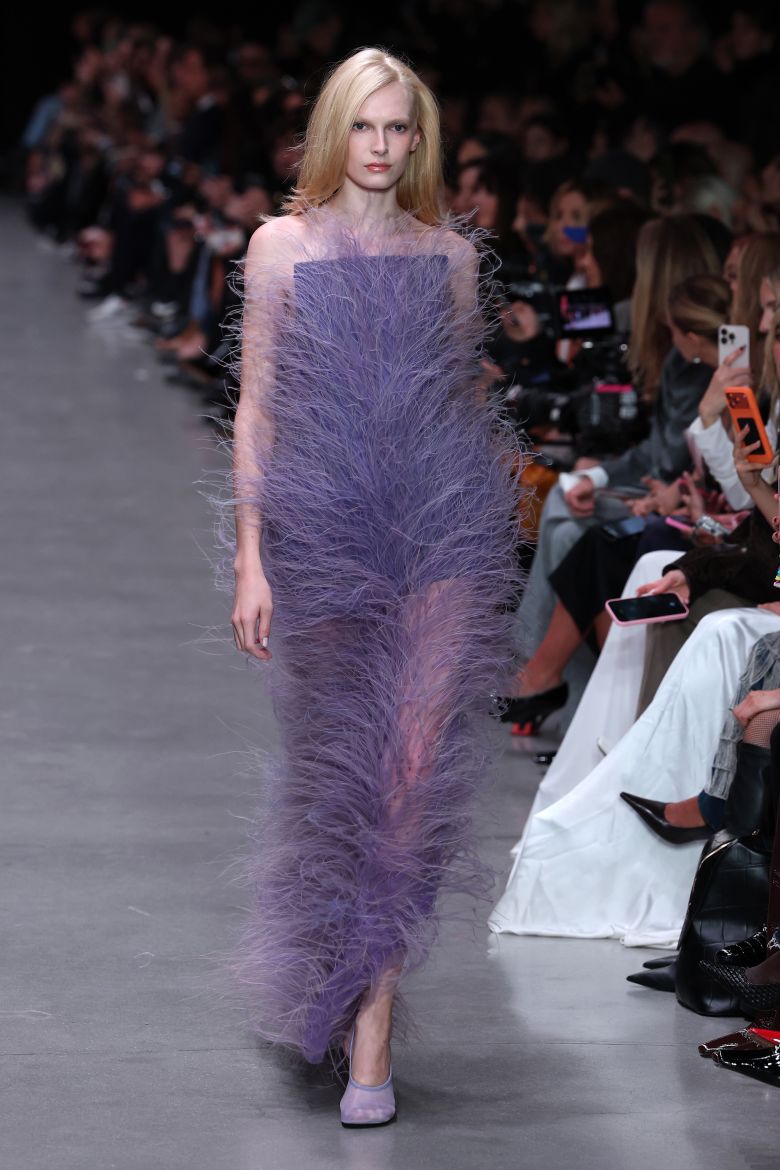
Good design is ultimately about finding solutions — ideally, ones that are as beautiful as they are smart. Stella McCartney has been loud and consistent in her calls for fashion to be more environmentally aware and each season, she typically unveils a new innovation with this in mind. Last week the British fashion designer closed her show at Paris’ Pompidou Centre with three final, feathery looks made with “Fevvers,” a new naturally dyed, plant-based alternative to animal feathers. “It’s weird to me that feathers plucked from a bird are seen as delicate in fashion,” said McCartney backstage after her show. “You can escape into fashion and have beauty and dream but you don’t have to kill animals.”
Pushing the boundaries of clothing and challenging Western ideals around them is what made the arrival of Japanese designers in Paris in the 1970s and ’80s such a groundbreaking cultural movement. Today, many of those labels remain a fixture on the Paris Fashion Week schedule — and continue to fly the flag for originality and independent thinking.
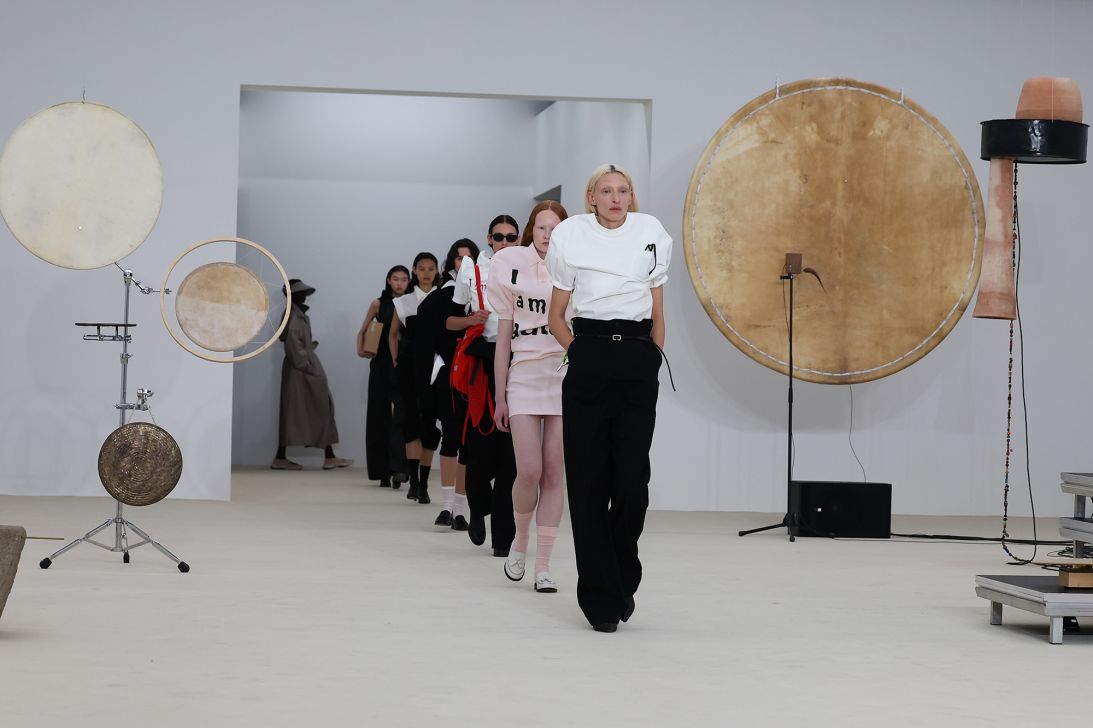
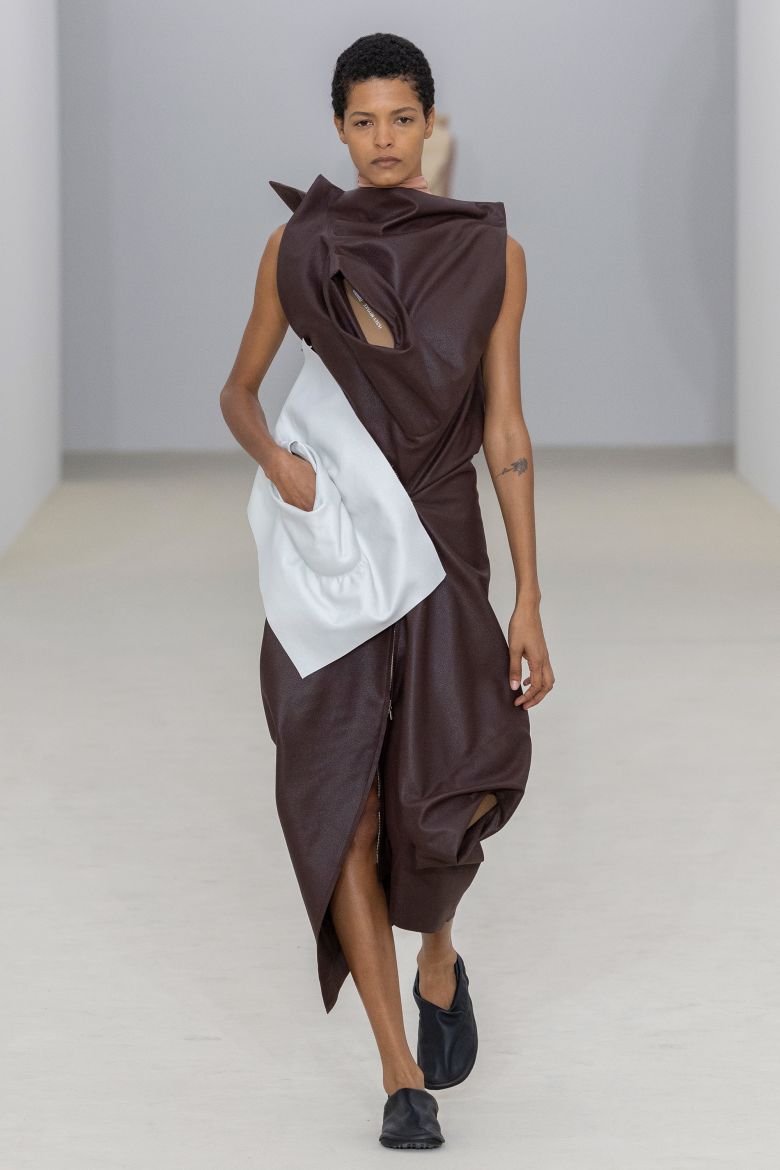
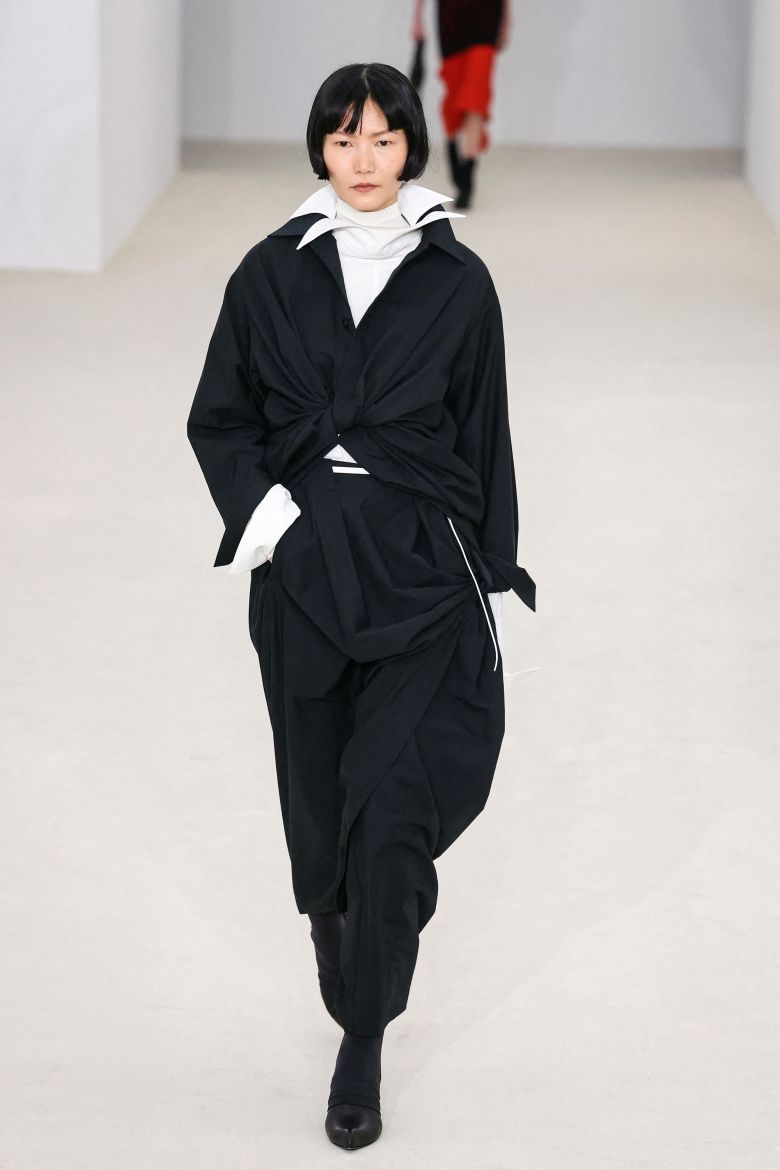
At Issey Miyake, designer Satoshi Kondo shares the same democratic values as the brand’s late eponymous founder, while also challenging how clothes are made and worn. For Spring Summer 2026, he presented tops in all kinds of haphazard forms: some — like the one worn by the American model Maggie Maurer — appeared shrunken; others looked like they had been thrown on in a drunken stupor and worn sideways or backwards. But there was also lots of ingenious layering that would be more easily incorporated into the everyday wardrobe.
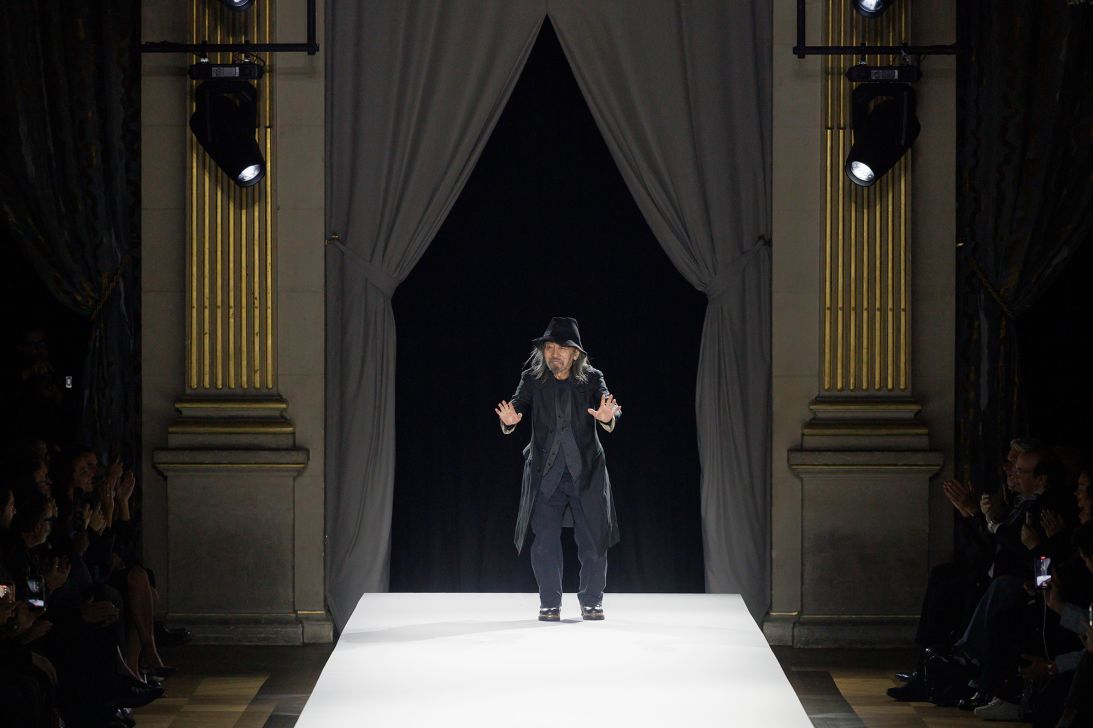
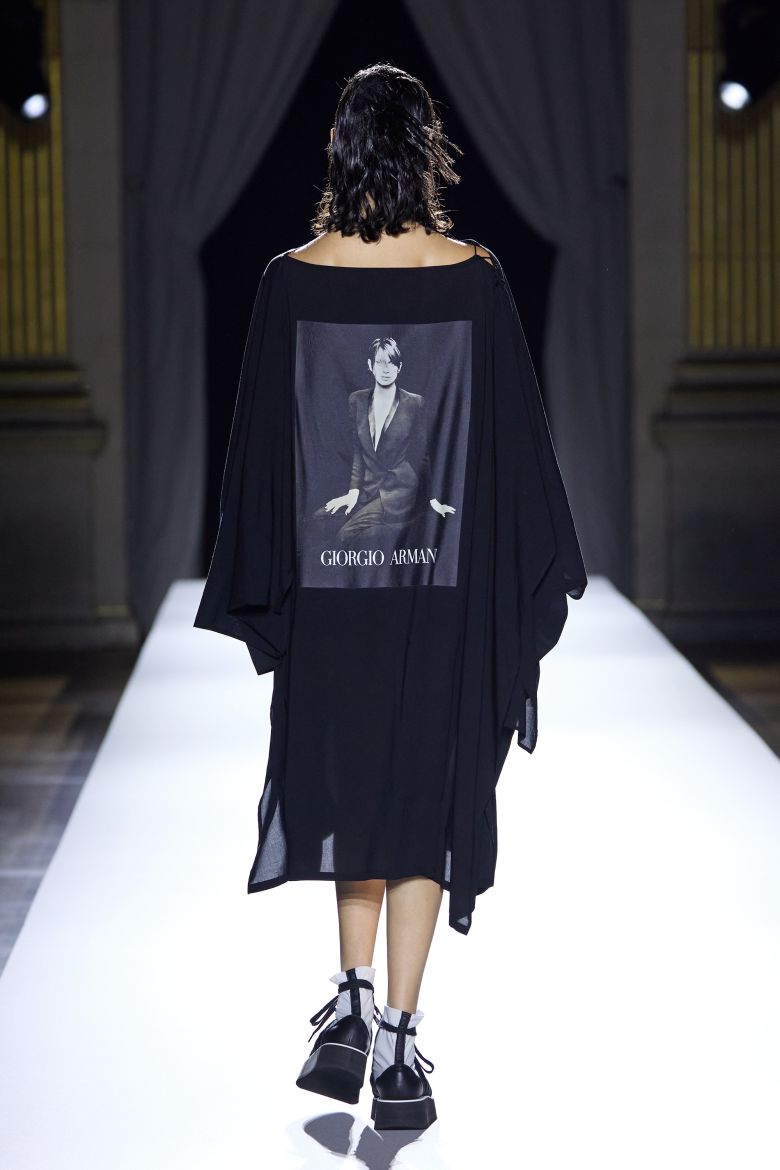
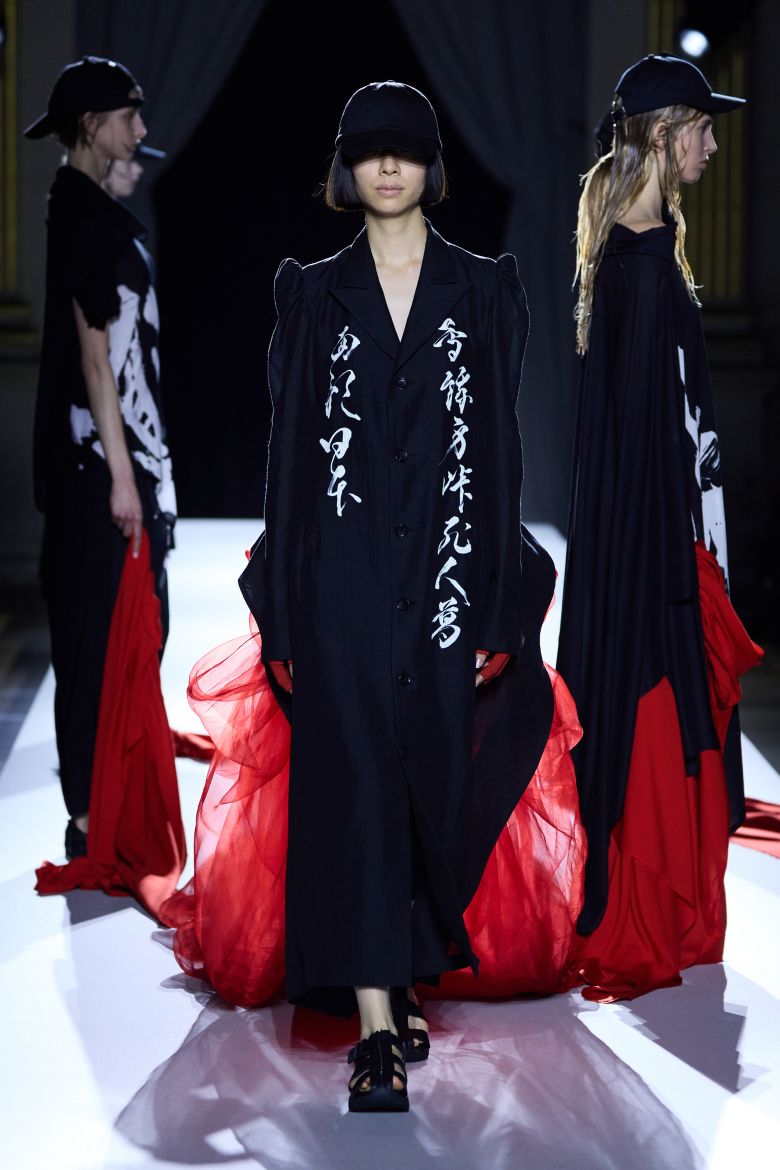
Later that evening, Yohji Yamamoto’s show took place at his usual venue, Hôtel de Ville. A note left by the designer on every seat encouraged guests to “be present” and put their phones away. “Let the moment, the movement and the clothing speak to you — they are meant to be felt with your senses, not merely digitally recorded,” it read. But many attendees simply want to capture the fruits of Yamamoto’s twilight years before his eventual retirement, which is sure to leave a gaping void in fashion. Yamamoto, who this week turned 82, surely understands the impact that would have: His latest show featured a subtle but heartfelt tribute to Giorgio Armani in the form of tunic dresses printed with images of the late designer’s past campaigns. There were also many of Yamamoto’s signature styles, like dresses that were asymmetrically cut or effortlessly draped.
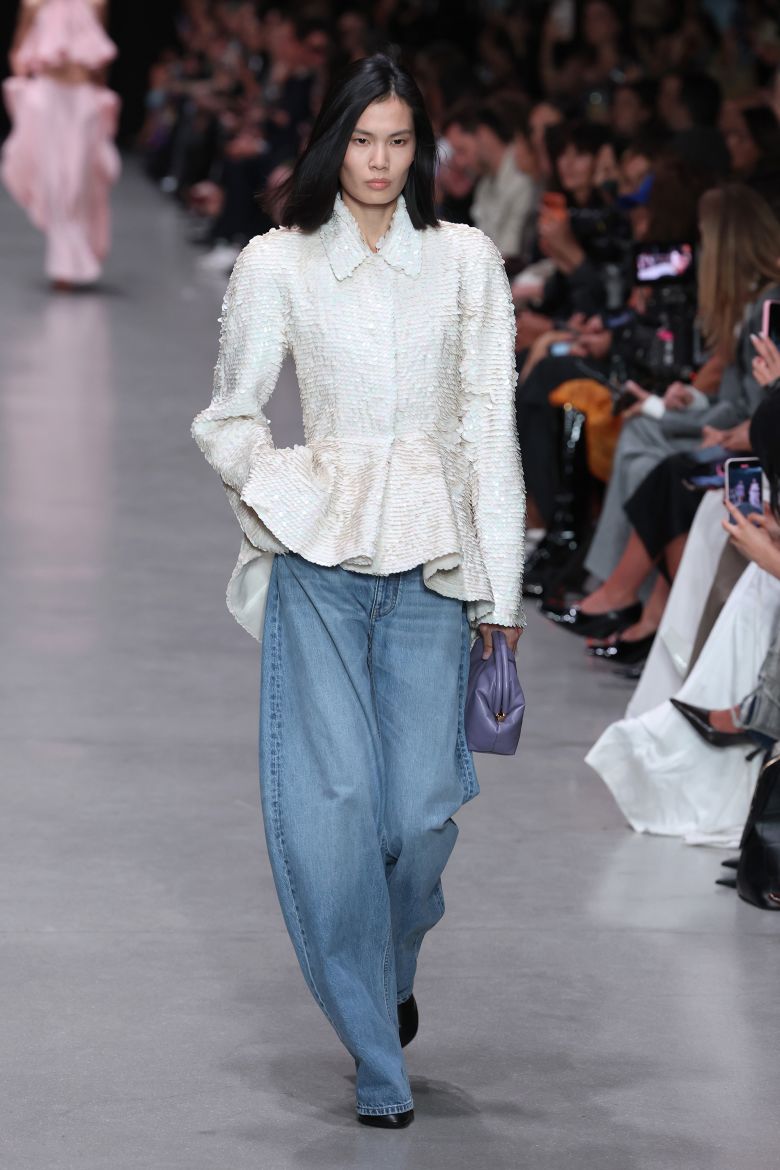
Also not to be overlooked are the cult Japanese labels Sacai, by Chitose Abe, and Undercover, by Jun Takashi, which are never the flashiest on the schedule, yet find ways to balance consistency with newness that keep their devotees coming back for more. Among the highlights at Sacai were blue jeans turned on its head, and at Undercover, a kooky offering of mismatched buttons, distorted jackets and dotty garments, as Takahashi imagined stepping into the shoes of an inexperienced clothes maker — which is hardly the case with the designer himself.
Highlights at Paris Fashion Week
